The Unites States of America
The United States is a nation of more than 282 million people, known for its cultural diversity, democratic government, economic strength, and historical influence shaped by biblical Christianity. Since gaining independence from Britain in 1776, the U.S. has grown from 13 colonies into 50 states and has become a global leader in technology, industry, and military power.
The country has one of the world’s strongest economies, though it continues to face challenges such as poverty, cultural shifts, and social issues. The church faces spiritual challenges including the need for unity, strong biblical leadership, effective discipleship, faithful Bible teaching, and a clear stand on important moral issues.
Gospel Furthering Fellowship (GFF) has been involved in church planting in the U.S. since 1986, helping establish and support churches across the nation. Current needs include 10 church planters and a western U.S. representative to help expand ministry efforts. GFF seeks individuals called by God to serve in missions and provides support and guidance to help them succeed.
The country has one of the world’s strongest economies, though it continues to face challenges such as poverty, cultural shifts, and social issues. The church faces spiritual challenges including the need for unity, strong biblical leadership, effective discipleship, faithful Bible teaching, and a clear stand on important moral issues.
Gospel Furthering Fellowship (GFF) has been involved in church planting in the U.S. since 1986, helping establish and support churches across the nation. Current needs include 10 church planters and a western U.S. representative to help expand ministry efforts. GFF seeks individuals called by God to serve in missions and provides support and guidance to help them succeed.


Canada
Canada is a diverse nation of over 31 million people, made up of Indigenous communities and immigrants from around the world. With English and French as official languages, Canada is known for its strong economy and multicultural society. However, increasing secularization has led to a decline in biblical influence and church involvement, creating a need for spiritual renewal and Gospel outreach.
Gospel Furthering Fellowship (GFF) began ministry efforts in Canada in 1986 and currently desires to expand church planting efforts, especially among immigrants and unreached people groups. GFF’s mission focuses on evangelism, discipleship, establishing churches, and biblical education.
GFF is seeking:
Gospel Furthering Fellowship (GFF) began ministry efforts in Canada in 1986 and currently desires to expand church planting efforts, especially among immigrants and unreached people groups. GFF’s mission focuses on evangelism, discipleship, establishing churches, and biblical education.
GFF is seeking:
- Five church planters, including those focused on ethnic ministries
- Four children’s workers
South Africa
South Africa has a population of over 43 million people and is a culturally diverse nation with 11 official languages and a rich mix of ethnic groups. While Christianity remains the largest religion, the country has experienced growing religious diversity and a decline in Christian influence in some areas.
South Africa’s history has been shaped by the effects of apartheid, which caused deep social and economic divisions. Since the end of apartheid in 1994, the nation has made progress toward equality but continues to face challenges including poverty, unemployment, crime, and corruption. It has one of Africa’s strongest and most developed economies, with significant natural resources and industries.
Gospel Furthering Fellowship (GFF) seeks to reach underserved communities in South Africa through evangelism, discipleship, church planting, and biblical education. GFF partners with local believers to establish strong, Bible-teaching churches and train leaders who can continue reaching others.
Current Needs:
South Africa’s history has been shaped by the effects of apartheid, which caused deep social and economic divisions. Since the end of apartheid in 1994, the nation has made progress toward equality but continues to face challenges including poverty, unemployment, crime, and corruption. It has one of Africa’s strongest and most developed economies, with significant natural resources and industries.
Gospel Furthering Fellowship (GFF) seeks to reach underserved communities in South Africa through evangelism, discipleship, church planting, and biblical education. GFF partners with local believers to establish strong, Bible-teaching churches and train leaders who can continue reaching others.
Current Needs:
- Church planters
- Youth workers


Tanzania
Tanzania is a nation of over 33 million people with more than 160 ethnic groups and a rich cultural diversity. Swahili, English, and many tribal languages are spoken throughout the country. While Christianity is the largest religion, Tanzania also has significant Muslim and traditional religious communities, with freedom of religion protected by the government.
Tanzania gained independence in the 1960s and has developed into a multi-party democracy. Although it has experienced economic challenges, including the effects of past socialist policies, the nation has seen steady improvement and continues to rely heavily on agriculture and foreign investment.
Gospel Furthering Fellowship (GFF) has been involved in Tanzania since 1949, helping establish churches and a Bible institute. After returning to the country in 1989, GFF restarted ministry efforts, and by 1998, more than 20 churches had been planted. Today, GFF is focused on reaching unreached people groups, especially the Datooga people, many of whom have never heard the Gospel and do not have Scripture available in their language.
GFF’s ministry focuses on:
Tanzania gained independence in the 1960s and has developed into a multi-party democracy. Although it has experienced economic challenges, including the effects of past socialist policies, the nation has seen steady improvement and continues to rely heavily on agriculture and foreign investment.
Gospel Furthering Fellowship (GFF) has been involved in Tanzania since 1949, helping establish churches and a Bible institute. After returning to the country in 1989, GFF restarted ministry efforts, and by 1998, more than 20 churches had been planted. Today, GFF is focused on reaching unreached people groups, especially the Datooga people, many of whom have never heard the Gospel and do not have Scripture available in their language.
GFF’s ministry focuses on:
- Evangelism
- Discipleship
- Establishing churches
- Biblical education
- 10 church planters
- Bible institute teachers
- 1 short-term builder
Kenya
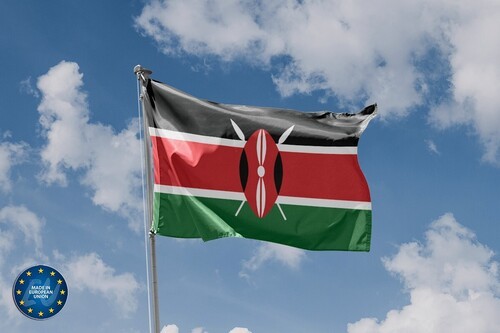
Kenya is a nation of over 31 million people with many tribal groups, including the Akamba, Kikuyu, Luo, and Luhya. English and Swahili are the primary languages, along with many tribal languages. The country is a republic with Nairobi as its capital and has a diverse population made up of both urban and rural communities.
Kenya gained independence from Britain in 1963 and has experienced both political and economic challenges, including tribal divisions, corruption, debt, and infrastructure struggles. Despite these difficulties, Kenya has maintained religious freedom, and many people identify as Christian.
Gospel Furthering Fellowship (GFF) has been serving in Kenya for more than 65 years, with a focus on evangelism, church planting, and training national leaders. Through missionaries and national pastors, GFF has helped establish more than 400 local churches and developed Bible training programs to equip pastors and ministry leaders.
The Nairobi Bible Institute has trained African men and women for decades, preparing them to serve their churches, develop their spiritual gifts, and establish new ministries. Additional church leaders’ schools operate throughout the country.
Current Needs:
Kenya gained independence from Britain in 1963 and has experienced both political and economic challenges, including tribal divisions, corruption, debt, and infrastructure struggles. Despite these difficulties, Kenya has maintained religious freedom, and many people identify as Christian.
Gospel Furthering Fellowship (GFF) has been serving in Kenya for more than 65 years, with a focus on evangelism, church planting, and training national leaders. Through missionaries and national pastors, GFF has helped establish more than 400 local churches and developed Bible training programs to equip pastors and ministry leaders.
The Nairobi Bible Institute has trained African men and women for decades, preparing them to serve their churches, develop their spiritual gifts, and establish new ministries. Additional church leaders’ schools operate throughout the country.
Current Needs:
- Church planters to reach unreached people groups
- Bible college teachers
- Short-term ministry workers for evangelism, teaching, and construction projects
Uganda
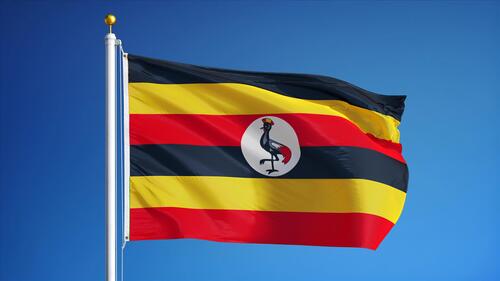
Uganda is a nation of over 35 million people with more than 40 indigenous ethnic groups. English, Swahili, and many tribal languages are spoken throughout the country. The nation has religious freedom, with Christianity being the predominant faith, along with Muslim and other religious communities. Kampala serves as the capital, and Uganda operates as a presidential republic.
Uganda gained independence in 1962 and has experienced periods of political instability, including wars and leadership changes. While the country has significant natural resources and agricultural potential, economic struggles and past instability have limited development.
Gospel Furthering Fellowship (GFF) began ministry efforts in Uganda through missionaries called to serve among unreached communities. The focus has been on reaching the Lugbara people in northwestern Uganda through Bible training, discipleship, and church planting. There is also a great need among groups such as the Madi people, who still need Scripture translated into their language.
GFF’s ministry focuses on:
Uganda gained independence in 1962 and has experienced periods of political instability, including wars and leadership changes. While the country has significant natural resources and agricultural potential, economic struggles and past instability have limited development.
Gospel Furthering Fellowship (GFF) began ministry efforts in Uganda through missionaries called to serve among unreached communities. The focus has been on reaching the Lugbara people in northwestern Uganda through Bible training, discipleship, and church planting. There is also a great need among groups such as the Madi people, who still need Scripture translated into their language.
GFF’s ministry focuses on:
- Evangelism
- Discipleship
- Establishing churches
- Biblical education
- Church planters
- Bible institute teachers
- Bible translators
Spain
Spain has a population of about 40 million people and is a culturally diverse nation with Spanish (Castilian) as the primary language, along with Catalan, Galician, and Basque in certain regions. Madrid is the capital, and the country has a history shaped by centuries of cultural, political, and religious change.
Spain transitioned from a long history of conflict, including the Moorish occupation, civil wars, and dictatorship under General Franco, into a constitutional monarchy with a democratic government. Today, Spain has a strong economy supported by industries such as tourism and manufacturing.
While Roman Catholicism remains the predominant religion, Spain has experienced increasing secularization, with many people no longer actively practicing their faith. Evangelical Christians remain a small minority, creating a need for Gospel outreach and church planting.
Gospel Furthering Fellowship (GFF) began ministry in Spain in 1993 and has worked alongside national pastors to establish church planting efforts. GFF’s goal is to evangelize, disciple believers, and establish strong biblical churches through ministries such as Bible studies, children’s programs, and outreach.
Current Needs:
Spain transitioned from a long history of conflict, including the Moorish occupation, civil wars, and dictatorship under General Franco, into a constitutional monarchy with a democratic government. Today, Spain has a strong economy supported by industries such as tourism and manufacturing.
While Roman Catholicism remains the predominant religion, Spain has experienced increasing secularization, with many people no longer actively practicing their faith. Evangelical Christians remain a small minority, creating a need for Gospel outreach and church planting.
Gospel Furthering Fellowship (GFF) began ministry in Spain in 1993 and has worked alongside national pastors to establish church planting efforts. GFF’s goal is to evangelize, disciple believers, and establish strong biblical churches through ministries such as Bible studies, children’s programs, and outreach.
Current Needs:
- Church planters
- Youth workers
- Short-term ministry teams for evangelism, teaching, and construction projects


France
France has a population of nearly 59 million people and is a democratic republic with Paris as its capital. French is the primary language, and the country is known for its rich history, strong economy, and cultural influence. While Roman Catholicism remains the largest religious affiliation, France is increasingly secular, with many people having little connection to Christianity.
France has experienced significant political and cultural change throughout history, including religious persecution, the French Revolution, and movements toward modernization. Today, the nation faces challenges such as secularism, spiritual apathy, and resistance toward evangelical Christianity.
Spiritual Challenges
Many communities in France have little access to Gospel-centered churches. Millions have no meaningful connection to Christianity, and thousands of towns and villages have no evangelical presence. There is a need for biblical teaching, church planting, and outreach among both French citizens and minority communities.
Gospel Furthering Fellowship (GFF) seeks to reach France through:
France has experienced significant political and cultural change throughout history, including religious persecution, the French Revolution, and movements toward modernization. Today, the nation faces challenges such as secularism, spiritual apathy, and resistance toward evangelical Christianity.
Spiritual Challenges
Many communities in France have little access to Gospel-centered churches. Millions have no meaningful connection to Christianity, and thousands of towns and villages have no evangelical presence. There is a need for biblical teaching, church planting, and outreach among both French citizens and minority communities.
Gospel Furthering Fellowship (GFF) seeks to reach France through:
- Evangelism
- Church planting
- Discipleship among unreached communities
- Evangelism workers
- Church planters
New Zealand
New Zealand has a population of over 4 million people and is a culturally diverse nation with English and Māori as official languages. The Māori people are the native population, while the country also includes European, Asian, and Pacific Island communities. Wellington serves as the capital, and the nation operates as a parliamentary democracy.
New Zealand has a rich history influenced by Māori culture, British colonization, and independence from Great Britain in 1947. Its economy is largely based on agriculture, with major exports including dairy products, meat, and timber.
Although many New Zealanders identify with Christianity, the nation has become increasingly secular, with a large percentage of the population having no religious affiliation and very few regularly attending church.
Gospel Furthering Fellowship (GFF) is focused on church planting in the northwestern Auckland region, an area experiencing significant population growth. GFF’s strategy is to establish relationships within the community, share the Gospel, disciple new believers, and develop Bible studies that grow into strong, Bible-believing churches.
Current Needs:
New Zealand has a rich history influenced by Māori culture, British colonization, and independence from Great Britain in 1947. Its economy is largely based on agriculture, with major exports including dairy products, meat, and timber.
Although many New Zealanders identify with Christianity, the nation has become increasingly secular, with a large percentage of the population having no religious affiliation and very few regularly attending church.
Gospel Furthering Fellowship (GFF) is focused on church planting in the northwestern Auckland region, an area experiencing significant population growth. GFF’s strategy is to establish relationships within the community, share the Gospel, disciple new believers, and develop Bible studies that grow into strong, Bible-believing churches.
Current Needs:
- Church-planting families to join existing ministry teams
- Short-term workers to assist church planters
- Individuals with specialized skills for outreach ministries